
Studios that work the way your crew does
We plan, specify and review television studios, galleries and live event rigs, so producers and technical teams can run sensible workflows from the first day on air.
Based in Bath and working with production teams since 2014
What we help production teams with
Our work covers the physical studio, the cameras, the lighting and the audio chain, plus support on the day of a live event. Each service can be taken alone or combined into one plan.
-
Studio Design Planning
We draw floor plans, check sightlines from the gallery and the floor, and lay out cable routes before anything is built. It suits new studios and refits where the existing space needs to work harder.
-
Camera Systems Advice
Advice on choosing studio cameras, robotic heads and camera control units, and on how they are set up together. We write the specification and talk through commissioning with your engineers.
-
Lighting Design
Lighting plots and rig layouts for studio sets and live event stages. We consider the camera positions, set design and available power, so the plot can be rigged and operated without surprises.
-
Sound and Gallery Workflow
We map audio chains, mixing desk layouts and gallery workflows for live productions. The aim is a gallery where each operator knows their position, their signal path and who they talk to.
-
Live Event Production Support
On-site technical planning and crew briefing for conferences and live broadcasts. We help define who does what, check the technical running order and brief the crew before doors open.
What you can expect from us
We work from how your team actually produces programmes, not from a standard layout. The checklist below describes what is normally part of an engagement and what you receive at the end.
- Written specifications your engineers can price against
- Floor plans with sightlines marked for camera and gallery
- Cable route drawings that installers can follow
- Lighting plots matched to the camera positions
- Audio chain diagrams with desk layouts
- Crew briefing notes for live event days
- Plain explanations of each recommendation
Good studio decisions are made before the build
Most problems in a studio or gallery can be traced back to early choices about space, signal paths and who sits where. We spend time on those choices so that day-to-day operation stays simple.
Space and sightlines
A studio is only as useful as the views it gives. We check what each camera can see, where the presenters stand and how the gallery relates to the floor. Cable routes and power are planned alongside, so access remains clear. These checks are done on paper first, which is far cheaper than moving a wall or a rig later.
Cameras, light and sound together
Camera choice affects lighting levels, lighting affects what the microphones can pick up, and all of it ends up in the gallery. We treat these as one system rather than three separate purchases. Daniel, Priya and Helen review each plan together, which catches conflicts such as a boom shadow or a camera cable crossing a walkway.
Workflows people can follow
A gallery works when every operator knows their job during a live show. We lay out desks, intercom and signal paths so that responsibilities are clear and handovers are simple. For live events we add a technical running order and a crew briefing. The result is a plan your team can follow without us in the room.
- 2014 Founded
- 5 Service areas
- 3 Team profiles
From first enquiry to a usable plan
Every project begins with a conversation about what you produce and ends with documents your team can use. The steps below show how that normally goes.
-
Enquiry
You contact us through the contact page with a short description of the studio or event. We reply to ask a few questions about the space, the programme format and the people involved.
-
Scoping
We agree what is included, what you will provide, such as plans or equipment lists, and what the work will cost. This is confirmed in a written quotation.
-
Review and design
We study your space and requirements, then draft plans, specifications or lighting and audio layouts. Drafts are shared so your engineers can comment before anything is finalised.
-
Refinement
We revise the documents after your feedback and check them against the practical limits of power, access and budget. Questions from installers are answered at this stage.
-
Handover
You receive the final documents and, where agreed, we brief your crew or attend the event. An invoice is then issued for payment by bank transfer.
What production teams say about working with us
These comments come from people who have used our planning and advice on studios and live events. They describe the working experience in their own words.
“The floor plan and sightline drawings saved us from placing the gallery window in the wrong spot. Our installer could price directly from the cable routes, and there were very few questions during the build.”
“Daniel wrote a clear camera specification and explained the reasons for each choice. Our engineers followed it during commissioning without needing to ask for changes. It was a calm process from start to finish.”
“Priya's lighting plot matched our camera positions and the rig went up in a day. The audio layout also made the gallery easier to run, because everyone knew where their signals arrived.”
“The crew briefing before our event was short and practical. Everyone knew the running order, the cue points and who to call. We had fewer last-minute questions than at previous events.”
-
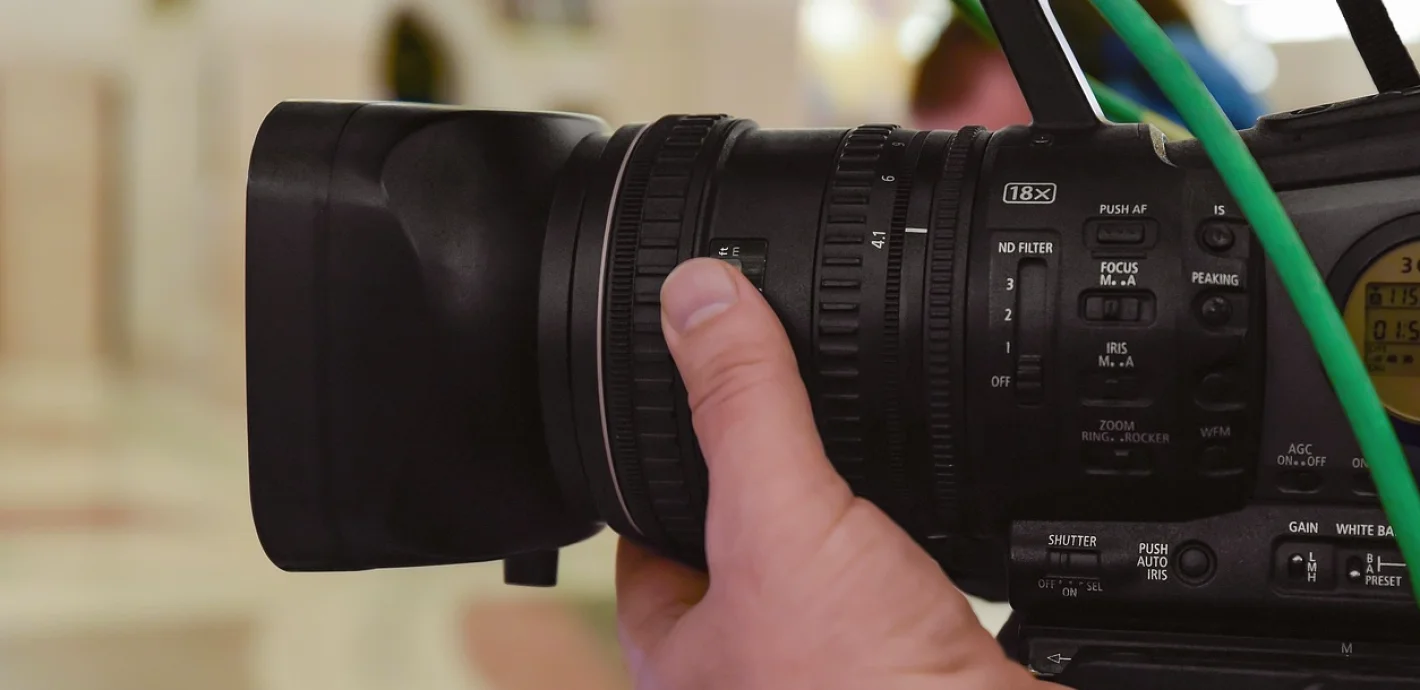
Camera Systems
How to Write a Camera Specification for a Small Television Studio
A step-by-step method for turning vague camera wishes into a written specification covering cameras, robotic heads and control units, so quotes can be compared fairly.
-

Sound workflow
A checklist for sound and gallery workflow before you commit
Before choosing an audio chain or a gallery layout, work through these questions on sources, routing, talkback, monitoring and crew habits, so the decision rests on how the show runs.
-

Live Events
Common Mistakes in Live Event Technical Planning, and How to Avoid Them
Most problems at a conference or live broadcast start weeks earlier, in the planning. Here are the slips I see most often on site and the habits that prevent them.
They listened to how we actually produce our shows and gave us a plan we could hand straight to the installer. It was clear, modest and easy to follow.
Tell us about your studio or event
Send an enquiry through the contact page. We reply with a few questions, then confirm scope and cost in a written quotation before any work begins.
Contact