
Services
Five areas of broadcast and live production work, from studio floor plans and camera systems to lighting, sound and on-site support for events.
Five areas of work for studios and live productions
updateslo is a Bath consultancy working across the technical side of television and live events. Each service covers one part of getting a studio or event running well, and they can be taken separately or together as a project needs.
Studio Design Planning
Floor plans, sightlines and cable routes for new or refitted television studios.
Camera Systems Advice
Specification and setup guidance for studio cameras, robotic heads and camera control units.
Lighting Design
Lighting plots and rig layouts for studio sets and live event stages.
Sound and Gallery Workflow
Audio chains, mixing desk layouts and gallery workflows for live productions.
Live Event Production Support
On-site technical planning and crew briefing for conferences and live broadcasts.
Tell us what stage you are at and which services seem relevant. We will confirm the scope in writing before any work begins.
ContactStudio Design Planning
This service suits broadcasters, production companies and venues building a new studio or refitting an existing one. Helen Marshall leads the work, turning your programme needs into drawings the whole project team can read.
Contact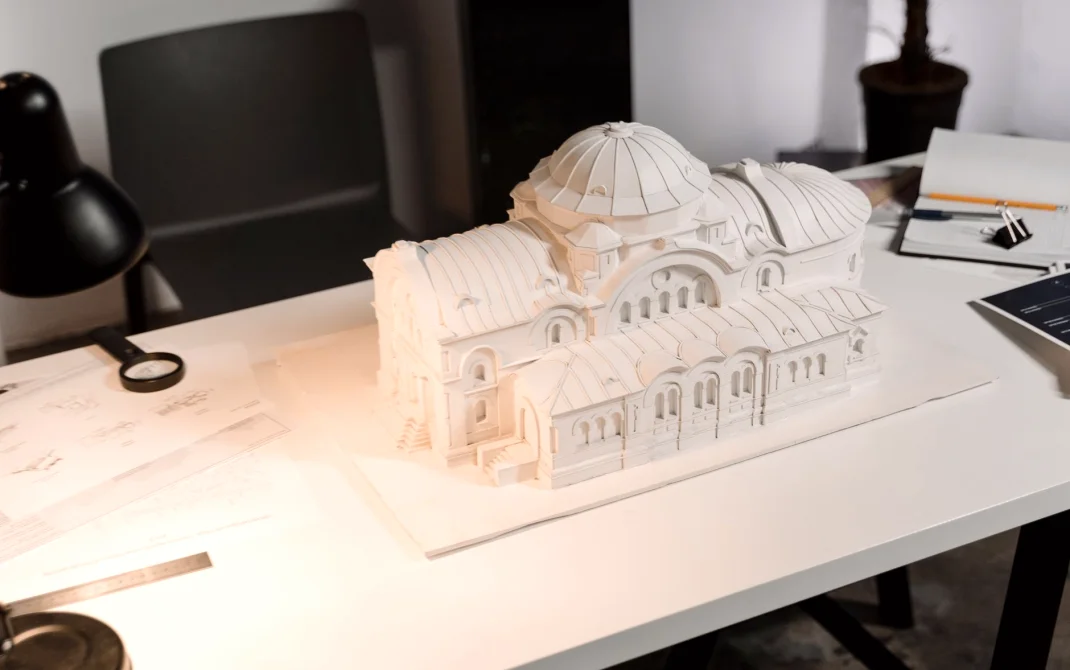
- Floor plans and sightlines
- We draw the studio floor to scale, placing sets, camera positions and talent areas so every shot has a clear line of sight and crew can move without crossing the frame.
- Cable routes and containment
- Routes for video, audio, data and power are planned early, with separation between circuits and room for later additions, so the studio does not depend on cables taped across the floor.
- Gallery and control room layout
- We position desks, monitor walls and equipment racks so the production team can see, hear and talk to each other, with sensible access for maintenance behind the racks.
- Refit planning
- For existing studios we survey what is there, separate what can stay from what should change, and phase the work so that regular output can continue where possible.
Bring any existing drawings, a list of the programmes the studio will make, and the dimensions of the space. Rough notes are enough to begin.
From first enquiry to a plan your team can use
Every engagement follows the same plain sequence, whatever the size of the studio or event. It begins with a conversation and ends with documents that your own engineers and contractors can work from.
Enquiry and first conversation
You contact us through the contact page and describe the studio, event or problem. We ask about the programmes, the crew, the space and the budget, and decide together whether we are the right people to help.
Written quotation
We set out the scope in writing, listing what is included, what we need from you and what would change the price. Nothing starts until you have read it and confirmed that it matches your expectations.
Survey and requirements
We visit the site or review drawings, speak with the people who will use the space, and record how the production actually runs. This stage settles the constraints before any design decisions are made.
Design and specification
Drawings, lighting plots, signal paths or camera specifications are prepared and reviewed with you. We revise them until the technical team and producers are both comfortable with the direction.
Handover and support
We walk your team through the documents, brief crews where the work involves a live event, and remain available for questions during installation and the first productions that use the new arrangement.
Questions we hear often
These are the practical questions producers and studio managers ask before they get in touch. If yours is not here, the contact page is the quickest way to ask us directly.
- Do you only work on new studios?
- No. A good share of our work is refitting existing studios and galleries where the equipment has aged or the programmes have changed. We survey what is already installed and advise on what to keep. Some clients ask for a single review rather than a full redesign.
- Can we take just one service, such as lighting design?
- Yes. The five services are separate and each is priced on its own, as set out on the prices page. Many clients start with one and add another later. When two disciplines overlap, such as lighting and cameras, we point out where the choices affect each other.
- Do you supply or install equipment?
- We advise, specify and plan rather than sell hardware. That keeps our recommendations independent of any manufacturer. Installation is carried out by your chosen contractors or in-house engineers, working from the drawings and specifications we prepare.
- Will you visit our site?
- Where the work involves a physical space, a visit is usually the most reliable way to start. We are based in Bath and travel to studios and venues elsewhere. Travel is itemised in the written quotation so it is never a surprise.
- What do you need from us at the start?
- A short description of what the studio or event must do, the people who will use it, and any drawings, equipment lists or photographs you already have. Incomplete information is fine. We would rather begin with what you have than wait for a perfect brief.
- How does the live event support work?
- We plan the technical side of a conference or broadcast before the day: camera positions, sound, lighting and cabling. We then brief your crew, and can attend on site. The exact level of attendance is agreed in writing beforehand.
- How do ordering and payment work?
- You send an enquiry through the contact page, we issue a written quotation or confirmation, and once you accept it we send an invoice payable by bank transfer. Nothing is bought through the website itself. Cancellations follow our payment and refund policy.
- Can you work alongside our own engineers?
- Yes, and it is the arrangement we like best. Your engineers know the building and the equipment. We bring a wider view of how other studios are laid out and run. We leave documents your team can maintain without us.